FMP

FMP

Fractional Investing: Democratizing Access to High-Value Assets

Traditionally, investing in high-value assets like stocks, real estate, and art has been the privilege of the wealthy. These assets have typically required a significant upfront investment, making them inaccessible to many individuals. However, the emergence of fractional investing is changing this dynamic.

Fractional investing allows investors to purchase a fraction of a share of an asset, rather than having to buy a whole share. This makes it possible to invest in high-value assets with smaller amounts of money. For example, instead of having to purchase an entire share of Apple stock, which currently costs around $150, an investor could purchase a fraction of a share for as little as $10.

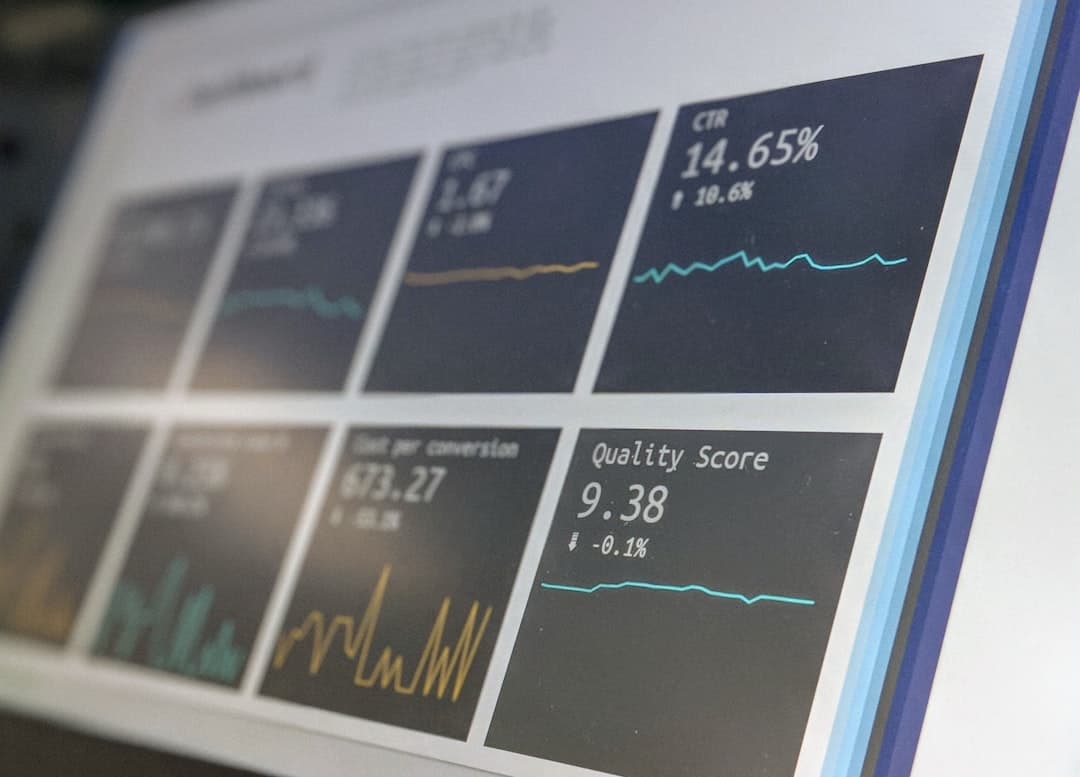
Image:

Key Benefits of Fractional Investing:

  • Democratization of Investing: Fractional investing makes it possible for anyone to invest in high-value assets, regardless of their income or net worth.

  • Diversification: Fractional investing allows investors to diversify their portfolios by investing in a wider range of assets, including those that may have been previously out of reach.

  • Greater Flexibility: Fractional investing offers more flexibility than traditional investing, as investors can easily adjust their holdings as their financial situation changes.

  • Reduced Fees: Fractional investing platforms often charge lower fees than traditional brokerage firms, making them more affordable for investors.

Statistics on the Growth of Fractional Investing:

  • The global fractional investing market is expected to reach $1.5 trillion by 2028.

  • Over 20% of new brokerage accounts opened in 2021 utilized fractional trading.

  • A 2022 survey by Charles Schwab found that 70% of investors are interested in fractional investing.

How to Get Started with Fractional Investing:

  • Choose a fractional investing platform: There are a number of fractional investing platforms available, so it is important to compare features and fees before choosing one.

  • Research the assets you want to invest in: Just like with traditional investing, it is important to do your research before investing in any assets.

  • Start small and gradually increase your investments: Fractional investing allows you to start small and gradually increase your investments as you become more comfortable.

  • Rebalance your portfolio regularly: As your financial situation changes, it is important to rebalance your portfolio to ensure that it aligns with your investment goals.

Conclusion:

Fractional investing is a powerful tool that is revolutionizing the investment landscape. By making it possible for anyone to invest in high-value assets, fractional investing is opening up new opportunities for individuals to grow their wealth and achieve their financial goals. As the demand for fractional investing continues to grow, we can expect to see even more innovative products and services emerge in this space.