
FMP
AMD Targets AI and Tech Markets Amidst Competition and Challenges
Apr 6, 2024 9:16 AM - Danny Green


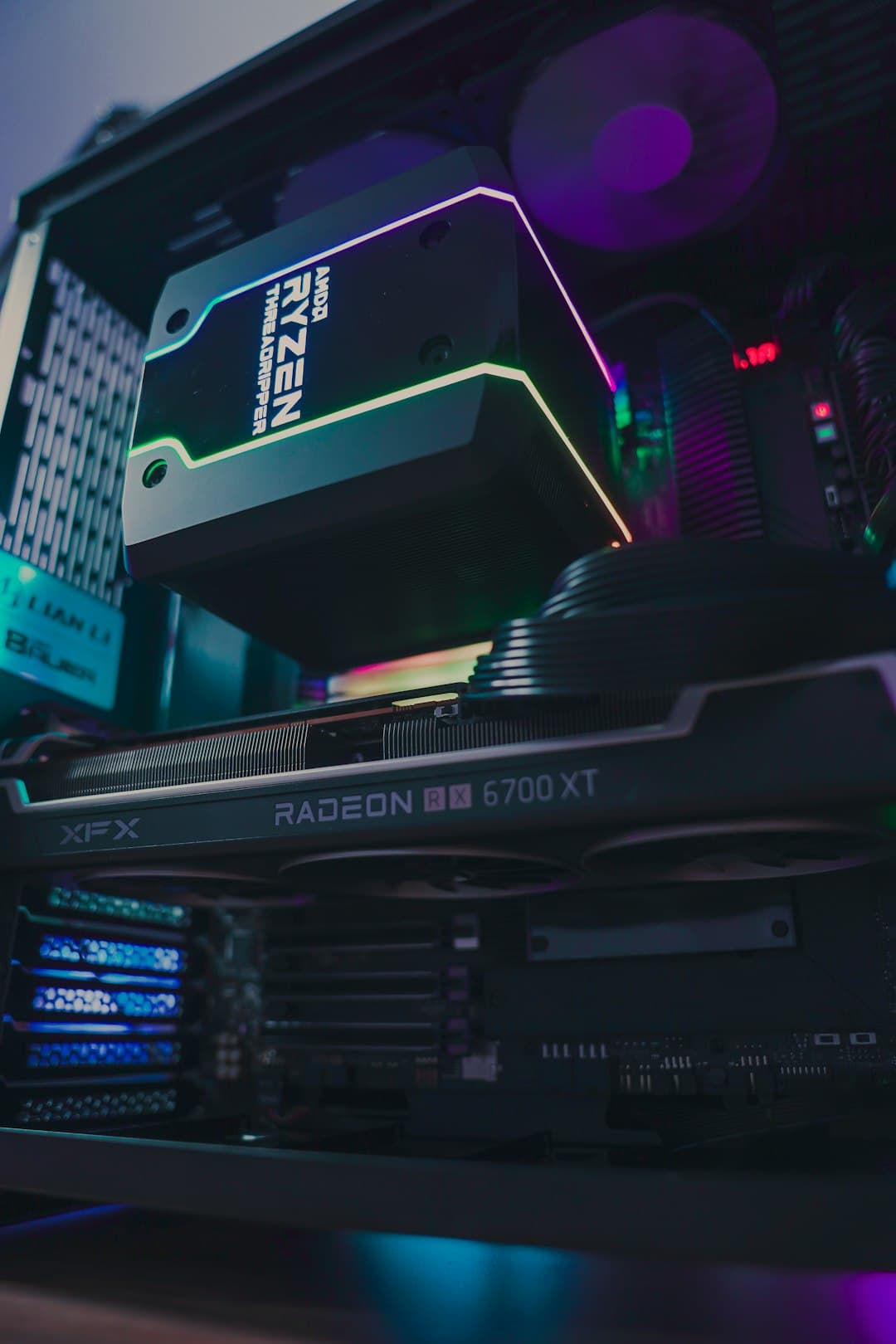
Image credit: Onur Binay
Advanced Micro Devices, Inc. (AMD) Targets AI and Tech Markets
Advanced Micro Devices, Inc. (AMD) is making significant strides in the AI and tech markets, with an eye on capturing a share of the over $50 billion chip demand anticipated by 2024. Despite facing stiff competition from Nvidia Corporation, which leads the AI chip market, AMD is setting ambitious targets, including a stock price goal of $275 in 2024. However, the company's progress is threatened by China's tech restrictions amidst growing US-China tech tensions, which could impact AMD's significant revenue streams.
AMD's recent financial performance underscores its robust position in the competitive tech landscape. The company has reported a revenue growth of approximately 6.34%, alongside a gross profit growth of nearly 5.97%. This financial upswing is indicative of AMD's successful penetration into key markets, including AI, data centers, gaming, and PCs. The company's strategic investments in specialized chips optimized for generative AI are paying off, positioning AMD to tap into a market that could reach up to $400 billion by 2024. Despite the dominance of Nvidia, AMD's cost-effective, scalable chipset-based design strategy is proving to be a formidable contender in the GPU market.
One of the most striking aspects of AMD's financial health is the astonishing 123.08% surge in net income, alongside a 52.68% growth in operating income. These figures not only highlight AMD's increasing profitability but also reflect the company's efficiency in managing its operations amidst the competitive pressures and tech tensions with China. The launch of the M1300X AI GPU, aimed at challenging Nvidia's H100 chipsets, exemplifies AMD's focus on innovation and cost-effectiveness. Securing major clients like Microsoft and Meta Platforms for the M1300X AI chip underscores AMD's competitive edge and potential for market disruption.
However, AMD's financials also reveal areas of concern, particularly in liquidity and operational efficiency. The company experienced declines in free cash flow and operating cash flow by 18.52% and 9.50% respectively. This suggests some pressure on AMD's liquidity, which could impact its ability to sustain aggressive growth strategies and investments in research and development. Despite these challenges, the slight improvement in book value per share, which grew by 1.68%, and a moderate rise in debt level by 4.93%, indicate AMD's strategic financial management and its commitment to long-term growth.
AMD's comprehensive product line, including the recent unveiling of new desktop processors optimized for intensive gaming and content creation applications, further solidifies its position in the high-end personal computers and gaming industries. The Ryzen 8000G Series processors and the Radeon RX 7600 XT graphics cards are part of AMD's strategy to not only compete with Nvidia but also to cater to the evolving demands of the tech market. With a net income growth of over 3000% in the fourth quarter, AMD is well-positioned to challenge Nvidia and capture a significant market share in the evolving tech landscape, despite the looming challenges of US-China tech tensions and operational pressures.
Other Blogs

Walk Me Through a DCF: A Simple Guide to Discounted Cash Flow Valuation
Are you curious about how professional investors decide whether a stock might be one of the best undervalued stocks to b...

Technical Analysis 101: Understanding Support and Resistance
Technical analysis is a fundamental approach used by traders to forecast price movements based on historical market data...

How an Economic Moat Provides a Competitive Advantage
Introduction In the competitive landscape of modern business, companies that consistently outperform their peers ofte...