
FMP
Fibonacci Retracement: Analyzing Price Corrections for Trading Opportunities
Nov 22, 2023 6:56 AM - Parth Sanghvi


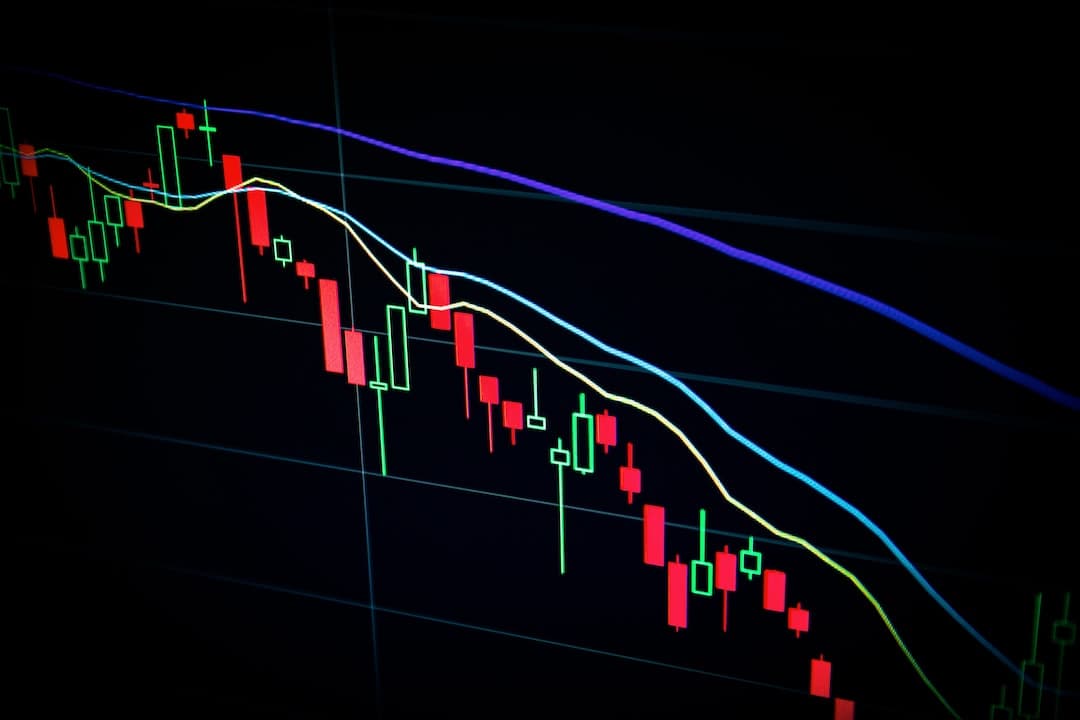
Image credit: Maxim Hopman
Introduction:
Fibonacci retracement, a powerful technical analysis tool, assists traders in understanding price corrections and potential reversal levels within financial markets. By applying Fibonacci ratios to price movements, traders can identify key levels of support and resistance. This article aims to delve into the significance of Fibonacci retracement in analyzing price corrections for spotting potential trading opportunities.
Understanding Fibonacci Retracement:
Fibonacci retracement is based on ratios derived from the Fibonacci sequence (0, 1, 1, 2, 3, 5, 8, 13, etc.), where subsequent numbers are the sum of the two preceding ones. The key Fibonacci levels used in retracement are 23.6%, 38.2%, 50%, 61.8%, and 100%.
Application in Price Corrections:
-
Identifying Correction Levels: During an uptrend or downtrend, applying Fibonacci retracement helps identify potential levels of price correction. These levels act as support (during an uptrend) or resistance (during a downtrend).
-
Determining Potential Reversal Zones: Traders use Fibonacci levels, especially the 38.2%, 50%, and 61.8% levels, to pinpoint potential reversal zones where price corrections might halt and the trend could resume.
Using Fibonacci Retracement in Trading:
-
Entry and Exit Points: Traders use Fibonacci retracement levels as entry points for trades or to set stop-loss orders. For instance, entering a long position near a 50% retracement level during an uptrend or placing a stop-loss order below a key Fibonacci level.
-
Confluence with Other Indicators: Combining Fibonacci retracement levels with other technical indicators, such as moving averages or trendlines, strengthens trading signals and confirmation of potential reversals or continuation points.
Strategies and Considerations:
-
Trend Confirmation: Fibonacci retracement works best in conjunction with an established trend. Confirming the trend direction before applying retracement levels enhances their effectiveness.
-
Multiple Timeframe Analysis: Utilizing Fibonacci retracement across different timeframes provides a broader perspective, aligning short-term and long-term retracement levels.
Conclusion:
Fibonacci retracement stands as a valuable tool for traders, aiding in the identification of potential price correction levels, support, and resistance zones within market trends. Understanding and applying Fibonacci retracement levels empower traders to spot potential entry or exit points, manage risk, and make more informed trading decisions.
By integrating Fibonacci retracement into their technical analysis toolkit and using it in conjunction with other indicators, traders can harness its potential to identify trading opportunities, enhance entry and exit points, and effectively navigate price corrections within financial markets.
Other Blogs
May 14, 2024 11:41 AM - Sanzhi Kobzhan
The easiest way to calculate stock’s target price and why the target price is important.
A stock's target price, also known as its fair value, is an indication of what a share can cost based on the company’s forecasted financial statements. It is important to know a stock's fair value to find undervalued stocks with great growth potential. Let's consider how investment analysts calculat...
May 24, 2024 9:30 AM - Rajnish Katharotiya
How to Access and Analyze Earnings Call Transcripts
Earnings call transcripts are invaluable resources for investors, analysts, and financial enthusiasts. They provide insights into a company's performance, strategy, and future outlook, making them essential for making informed investment decisions. With Financial Modeling Prep, Earnings Call Transcr...

May 27, 2024 3:30 PM - Rajnish Katharotiya
The best 5 GPU stocks other than NVDA
In the ever-evolving world of technology, certain sectors have consistently demonstrated exceptional growth and innovation. The graphics processing units (GPUs) industry is one such sector, offering investors a golden opportunity for potentially high returns. In this blog, we'll delve into why inves...

