
FMP
Bitcoin Halving Forces Inefficient Miners Offline, Hash Rate Drops
May 16, 2024 9:24 AM - Parth Sanghvi



Image credit: Dmytro Demidko
Other Blogs
Jan 16, 2024 4:18 PM - Samuel Abdelshahid
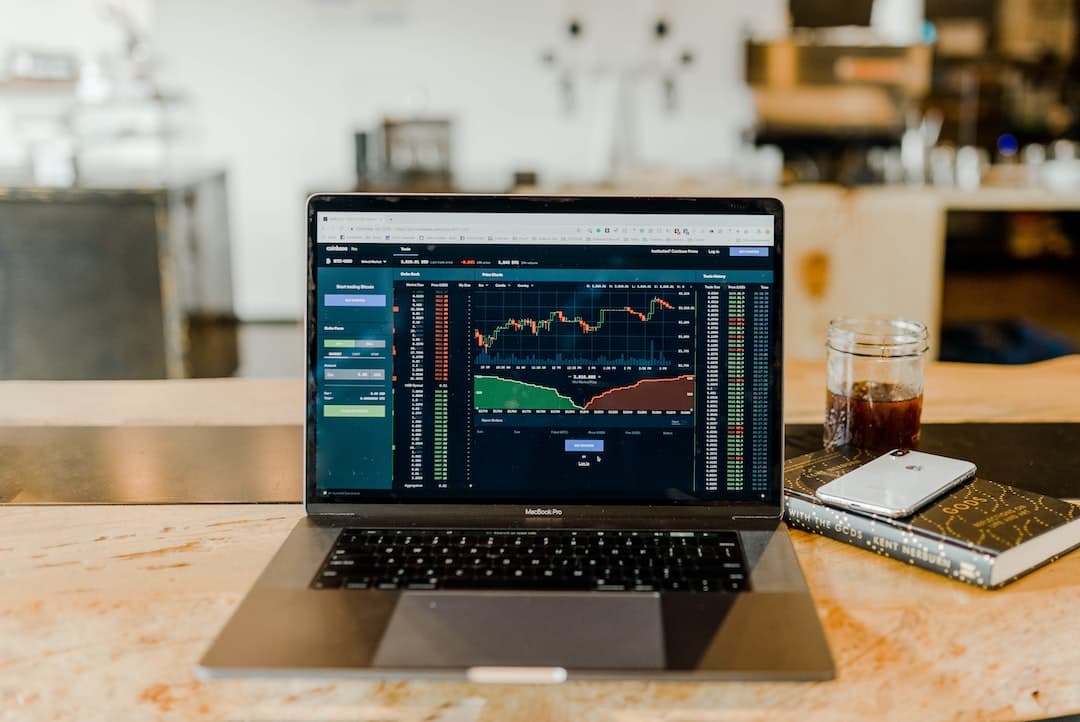
Budget-Friendly Trading Laptops: Maximizing Value without Compromising Performance
In the hustle and bustle of the trading world, having a trustworthy laptop is like having a reliable partner by your side. Making well-informed decisions and staying ahead of market trends become second nature with the right device. However, the quest for a budget-friendly trading laptop t...
Jan 21, 2024 4:00 AM - Parth Sanghvi
Understanding Profitability Metrics: Exploring ROE, ROA, and Net Profit Margin
Introduction: In the world of financial analysis, a profound grasp of essential profitability metrics is vital. This blog delves into three pivotal metrics—ROE (Return on Equity), ROA (Return on Assets), and Net Profit Margin—offering clear insights without unnecessary complexity. Exploring RO...

May 14, 2024 11:41 AM - Sanzhi Kobzhan
The easiest way to calculate stock’s target price and why the target price is important.
A stock's target price, also known as its fair value, is an indication of what a share can cost based on the company’s forecasted financial statements. It is important to know a stock's fair value to find undervalued stocks with great growth potential. Let's consider how investment analysts calculat...