
FMP
AMD Stock Declines as Q4 Guidance Falls Short of Expectations
Oct 30, 2024 12:05 PM - Parth Sanghvi


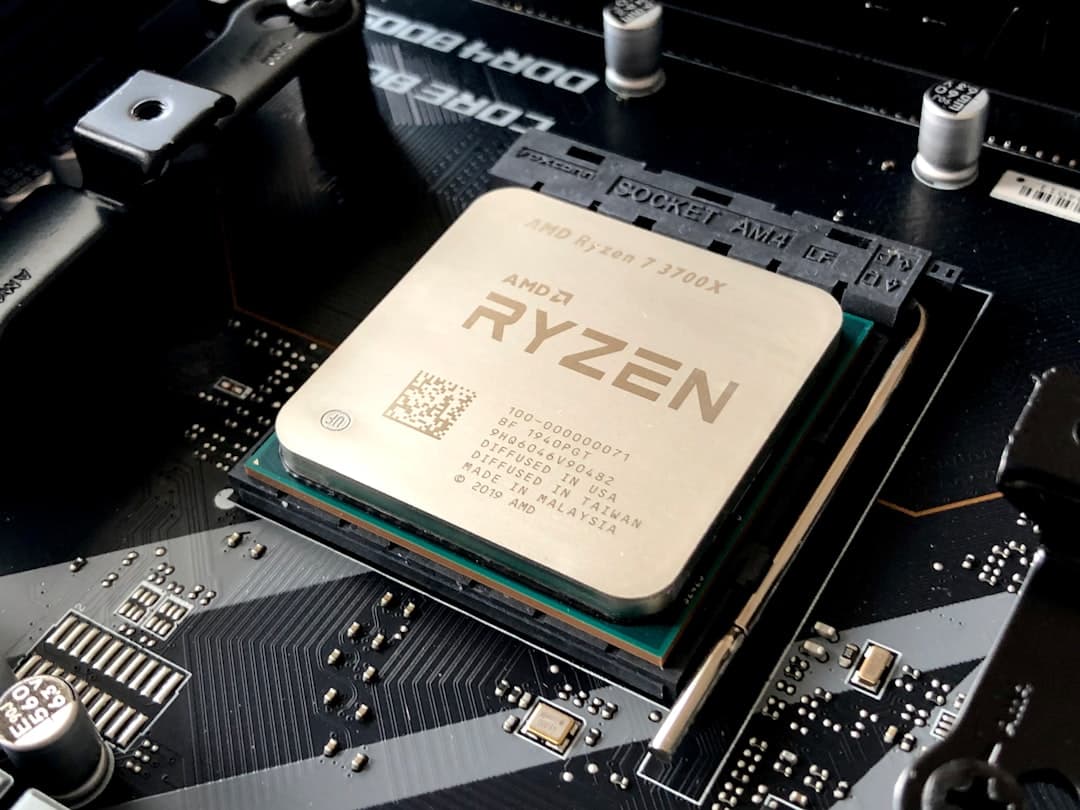
Image credit: Olivier Collet
Advanced Micro Devices (AMD) recently reported its latest financial guidance, showing a less optimistic outlook for the fourth quarter of 2023. With the company's stock experiencing a notable decline following this announcement, investors are left to consider the implications of AMD's revised forecasts and potential strategies moving forward.
Q4 Guidance Falls Below Analyst Expectations
1. Revenue Projections and Market Reactions
AMD's fourth-quarter revenue guidance came in below analysts' expectations, primarily driven by slower-than-anticipated growth in some of its key markets. This conservative outlook led to a significant sell-off in AMD's stock, signaling investor concerns over the tech giant's ability to meet long-term growth targets amid a shifting semiconductor landscape.
For investors wanting a closer look at AMD's recent performance, the Full Financial as Reported API provides in-depth access to AMD's income statements, balance sheets, and other critical financials.
2. Challenges in the Semiconductor Industry
The semiconductor sector is highly competitive, with companies facing pressure to innovate and capture market share amid complex global supply chain issues. Although AMD remains a leader in high-performance computing and graphics processing units, the overall semiconductor market's current headwinds appear to be influencing its cautious approach to Q4 revenue targets.
To understand AMD's performance in a broader market context, investors can explore the Industry P/E Ratio API, which allows comparisons of AMD's valuation to that of its peers in the semiconductor industry.
3. Key Metrics and Analyst Sentiment
While AMD's recent guidance fell short of consensus estimates, the company continues to pursue growth in new areas, including data centers, gaming, and AI. Analysts remain divided, with some emphasizing long-term potential in these emerging markets, while others point to persistent near-term risks.
The Bulk Ratings API can be a useful tool for investors to keep track of analyst upgrades, downgrades, and the overall sentiment around AMD stock.
Strategic Insights for Investors
1. Monitoring Long-Term Growth Opportunities
Despite current challenges, AMD is positioned to benefit from the growing demand for advanced computing solutions across various industries. Investors with a long-term horizon may find opportunities in AMD's AI and cloud computing segments, which are expected to drive growth in the coming years.
For those interested in deeper valuation analysis, the Advanced DCF API can provide a discounted cash flow model to assess AMD's intrinsic value based on projected cash flows and growth rates.
2. Comparing AMD's Metrics to Competitors
Investors should consider evaluating AMD against other leading semiconductor companies to understand its relative market position and investment potential. Comparing key metrics such as earnings, profit margins, and return on equity can reveal how AMD stands within the industry and whether its stock is attractively priced.
For these insights, the Key Metrics (TTM) API offers detailed trailing twelve-month data, which can be essential for gauging AMD's performance relative to its peers.
3. Evaluating Analyst Price Targets and Expectations
With AMD's guidance falling short, it's crucial to keep an eye on analyst price targets and earnings estimates, which are often revised following significant guidance updates. Understanding where analysts see AMD heading in the next 12 months can offer investors perspective on the company's valuation and potential for recovery.
The Price Target Summary API provides a consolidated view of analyst price targets, allowing investors to gauge expectations for AMD's stock performance.
Conclusion
AMD's lowered Q4 guidance highlights the pressures facing the semiconductor industry, as well as the specific challenges AMD faces in meeting investor expectations. For investors, this guidance update may be a catalyst for re-evaluating their exposure to AMD and the broader semiconductor sector. By staying informed on AMD's financial performance, industry standing, and analyst sentiment, investors can make strategic decisions to navigate the volatility in this rapidly evolving sector.
Other Blogs
May 14, 2024 11:41 AM - Sanzhi Kobzhan
The easiest way to calculate stock’s target price and why the target price is important.
A stock's target price, also known as its fair value, is an indication of what a share can cost based on the company’s forecasted financial statements. It is important to know a stock's fair value to find undervalued stocks with great growth potential. Let's consider how investment analysts calculat...

May 24, 2024 9:30 AM - Rajnish Katharotiya
How to Access and Analyze Earnings Call Transcripts
Earnings call transcripts are invaluable resources for investors, analysts, and financial enthusiasts. They provide insights into a company's performance, strategy, and future outlook, making them essential for making informed investment decisions. With Financial Modeling Prep, Earnings Call Transcr...

May 27, 2024 3:30 PM - Rajnish Katharotiya
The best 5 GPU stocks other than NVDA
In the ever-evolving world of technology, certain sectors have consistently demonstrated exceptional growth and innovation. The graphics processing units (GPUs) industry is one such sector, offering investors a golden opportunity for potentially high returns. In this blog, we'll delve into why inves...

