
FMP
Market Impact: The Conditional Continuation of "Trump Trades" Amid Election Uncertainty
Oct 30, 2024 12:03 PM - Parth Sanghvi


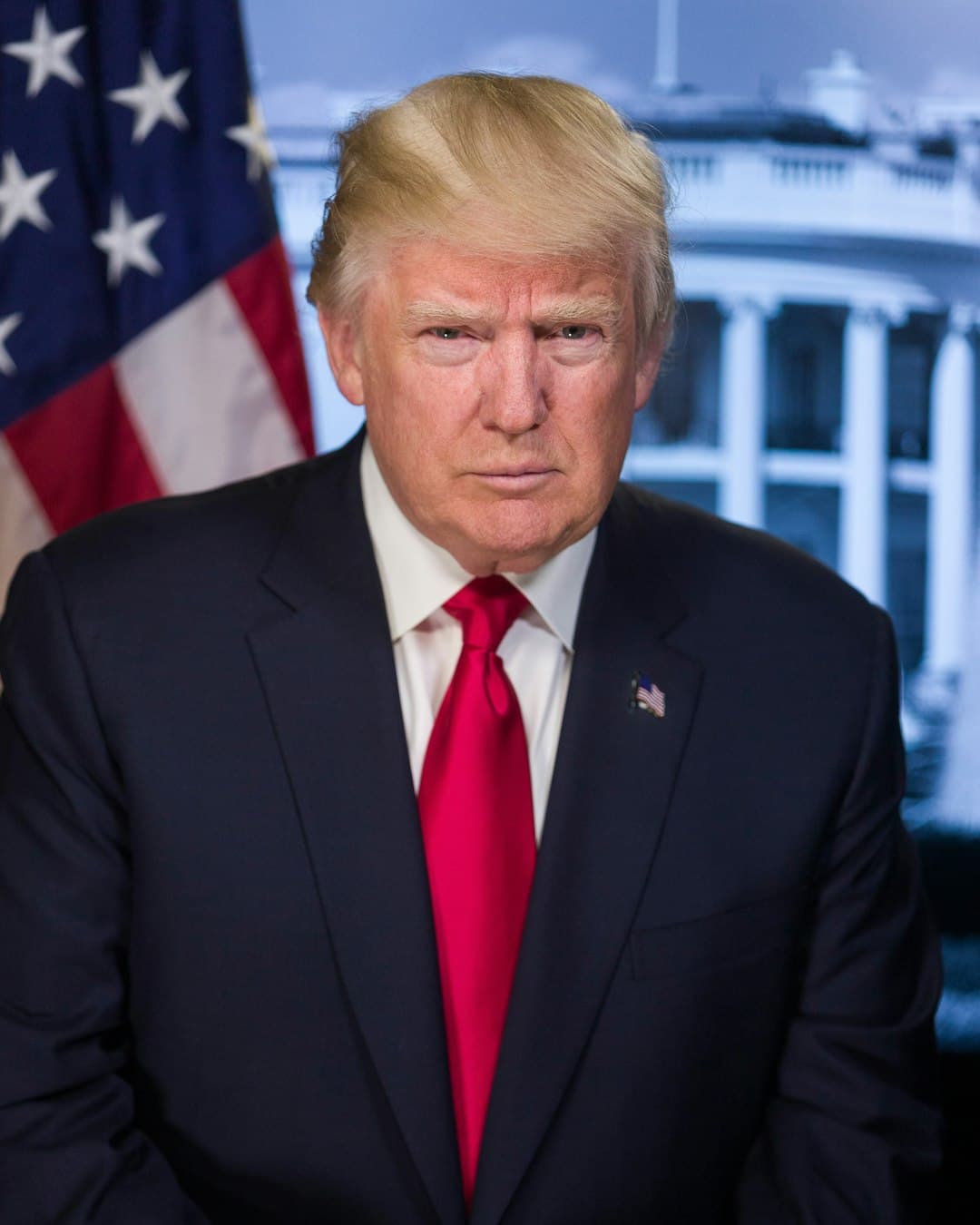
Image credit: Library of Congress
As election uncertainty heightens, Citi analysts highlight that the potential resurgence of "Trump trades" — financial bets influenced by Trump's previous administration policies — hinges on his re-election. These trades center on sectors like fossil fuels, defense, and specific regulatory landscapes, sectors Trump championed, promoting growth through deregulatory initiatives. Here, we look into the factors impacting these trades and their significance in today's complex economic environment.
Trump Trades and Their Economic Influence
1. Fossil Fuels and Traditional Energy Sectors
Trump's policies previously favored fossil fuel industries, advocating for deregulation and pushing for energy independence. If a re-election leads to policy continuity, fossil fuel sectors may see renewed investor interest. The re-emergence of "Trump trades" could impact oil and gas investments as Trump's administration worked to bolster domestic energy production, rolling back environmental restrictions on energy companies.
For insights on how this could shape future energy market trends, consider using Sector Historical (Market Overview) API to explore energy sector performance across different policy regimes.
2. Defense and Infrastructure Investments
Another focal point of Trump's economic agenda was increased defense spending and infrastructure investments. Defense stocks gained during Trump's tenure as his administration prioritized military growth and advanced infrastructure projects. A re-election might prompt a similar market response, with potential boosts for defense stocks and industrial firms linked to construction and development.
To analyze valuation and sector performance under different policy conditions, the Sector P/E Ratio API is a valuable resource for investors evaluating potential investment opportunities in defense and infrastructure.
Market Implications Amid Political Uncertainty
While Citi analysts underscore that Trump's re-election could trigger sectoral shifts, they also acknowledge the inherent uncertainty surrounding the election outcome. Investors are likely to see higher volatility within sectors influenced by Trump trades, especially given the polarized views on regulatory changes. For those weighing long-term investments, tracking these policy shifts is critical, as they may signal broader market trends beyond the immediate election results.
Conclusion
The return of Trump trades could shape investor strategies across energy, defense, and infrastructure sectors, contingent on election results. By monitoring key metrics and historical sectoral trends, investors can better anticipate how a potential re-election may influence market dynamics and opportunities in these Trump-favored sectors. As the political landscape evolves, investors should be prepared for continued volatility and adjust their strategies in response to shifting policy landscapes.
Other Blogs
May 14, 2024 11:41 AM - Sanzhi Kobzhan
The easiest way to calculate stock’s target price and why the target price is important.
A stock's target price, also known as its fair value, is an indication of what a share can cost based on the company’s forecasted financial statements. It is important to know a stock's fair value to find undervalued stocks with great growth potential. Let's consider how investment analysts calculat...
May 24, 2024 9:30 AM - Rajnish Katharotiya
How to Access and Analyze Earnings Call Transcripts
Earnings call transcripts are invaluable resources for investors, analysts, and financial enthusiasts. They provide insights into a company's performance, strategy, and future outlook, making them essential for making informed investment decisions. With Financial Modeling Prep, Earnings Call Transcr...

May 27, 2024 3:30 PM - Rajnish Katharotiya
The best 5 GPU stocks other than NVDA
In the ever-evolving world of technology, certain sectors have consistently demonstrated exceptional growth and innovation. The graphics processing units (GPUs) industry is one such sector, offering investors a golden opportunity for potentially high returns. In this blog, we'll delve into why inves...

